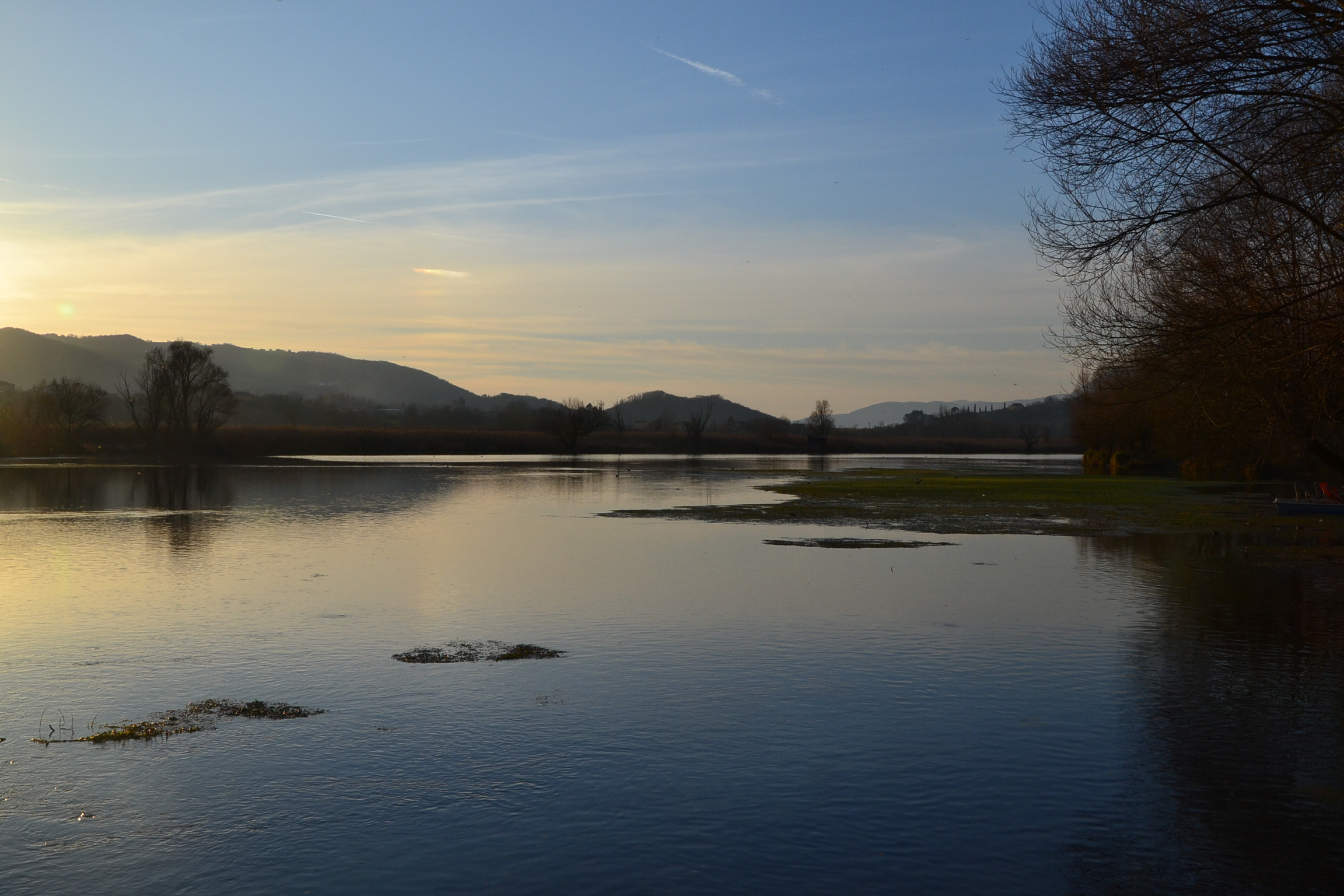
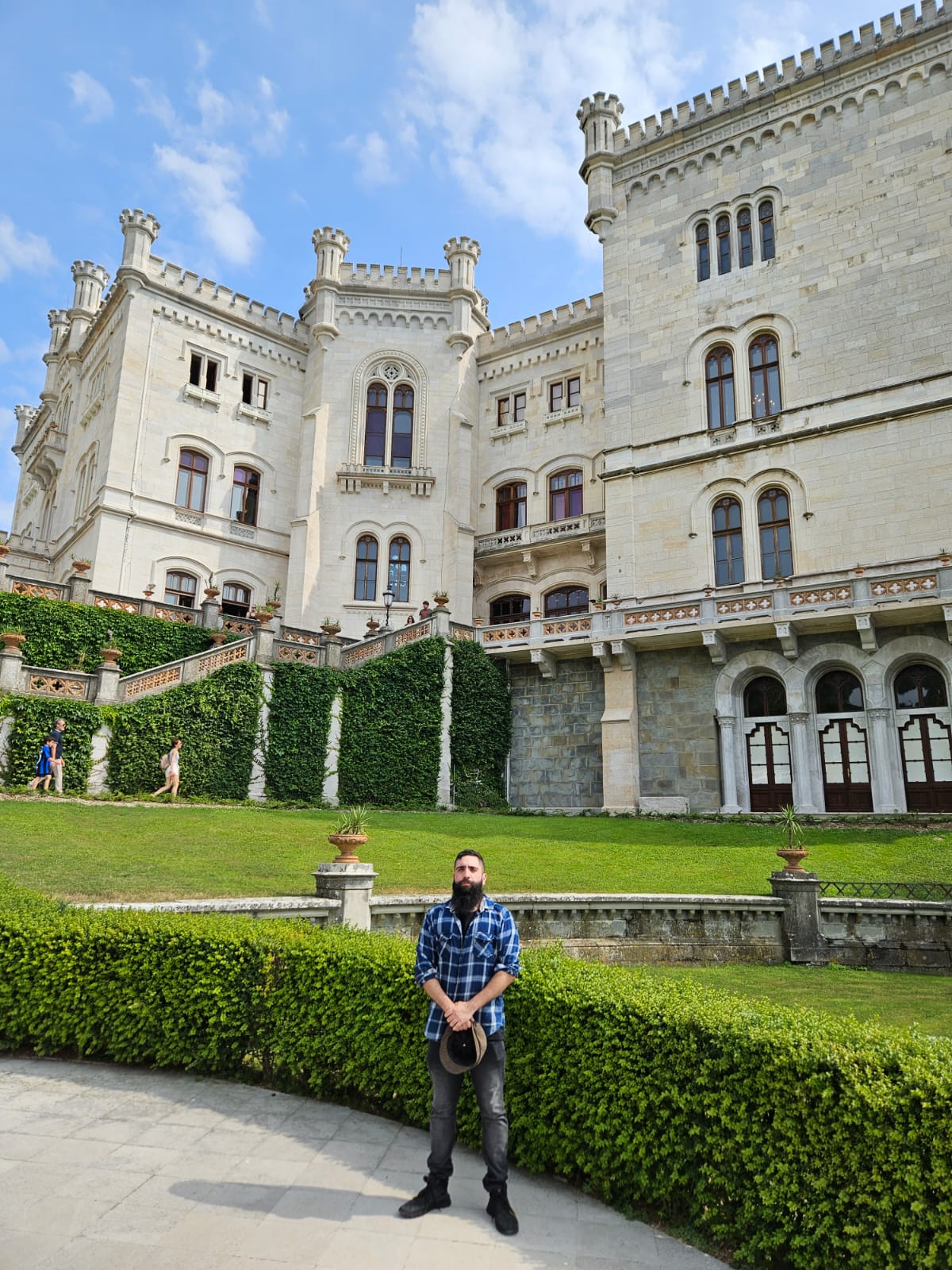
Abruzzo
Seaside resorts, cities of art, natural wonders preserved by National Parks such as Gran Sasso: the one in Abruzzo is a journey through history between sea, mountains, flavors and uncontaminated nature. Mainly mountainous and hilly, the region overlooks a wonderful stretch of the Adriatic Sea. Here, you will find the highest peaks of the Apennines, the Gran Sasso and the Majella massif, as well as the only Apennine glacier, but also some of the most popular beaches.
find out moreCalabria
From the treasures dating back to Magna Graecia to the wonderful beaches and cliffs passing through the national parks. Calabria is the region of the crystalline sea of Tropea, the Riace Bronzes, Reggio Calabria and Capo Vaticano, a captivating mix of history and beauty. It is a region characterized by the incredible diversity of its landscapes, with the proximity of the mountains to a splendid sea that attracts tourists from all over the world.
find out moreLazio
Rome, the capital of Italy and the only open-air museum in the world, would be enough to make Lazio one of the most beautiful and interesting regions. But Lazio - with its unparalleled artistic and cultural heritage - is not just Rome. In addition to the capital there are the beautiful beaches of the coast as well as the wonderful hills that are home to renowned farmhouses and spas. Without forgetting other cities of art such as Viterbo, Tivoli, Cassino. A territory of great impact and notable variety: a destination to fall in love with.
find out moreLombardia
A dynamic and lively land, immersed in the present and projected towards the future: Lombardia, however, is not only known for industry and finance, fashion and design, but also for the art and extraordinary landscapes it preserves, starting from those of the picturesque lakes or its mountains, Valcamonica and Valtellina first and foremost. Capital and symbolic city, Milan represents its industrious heart that goes hand in hand with other cities with a vibrant spirit.
find out moreSicilia
It conquers the hearts of tourists from all over the world with its wonderful sea and its cities with a timeless charm: it is Sicily, a "postcard" island characterized by the indelible signs of the people who lived there and made it unique , among artistic and cultural testimonies of enormous value. From the Valley of the Temples in Agrigento to the Greek theaters of Taormina and Syracuse, passing through Palermo and Messina: there are many treasures to discover.
find out moreVeneto
The cities of art with undisputed beauty but also the most uncontaminated nature: in Veneto everything is wonderful. From Lake Garda to the Dolomites, from the sea of Jesolo to the hills passing through breathtaking landscapes and cities with timeless charm such as Venice and Verona, Vicenza and Padua. In Veneto there is this and much more: large ski and maritime facilities make it a popular destination in winter as well as in summer.
find out moreValle d'Aosta
Valle d'Aosta, a paradise for those seeking the outdoors and nature without giving up history and traditions. The smallest region of Italy, dotted with the highest peaks of the Alps, is the ideal destination for those who love winter sports and high-altitude walks. In addition to the best-known places such as Courmayeur and Cogne, the Aosta Valley will amaze you with numerous picturesque villages such as Etroubles, an open-air museum in the Gran San Bernardo Valley, or enchanting oases of peace such as Chamois, the car-free town. Its green valleys and fairy-tale castles complete the work, making the Aosta Valley an enchanting place to experience in every season of the year.
find out moreBasilicata
Matera and its rocks, Tursi and its Rabatana, the Pollino park and the Lucanian Dolomites without forgetting the splendid sea of Maratea and the scenographic spectacle offered by the Pisticci Calanchi. Basilicata is a region with very ancient origins, suspended between two seas and with mountains of great beauty. It is rich in nature, history, tradition and art. But beauties are also at the table. There are many typical dishes to try.
find out moreEmilia-Romagna
Hospitality and good food, artistic and natural beauty: Emilia-Romagna fears no comparison. There are many wonders to discover: from Bologna to Ravenna, from Ferrara to Parma passing through Rimini and the Romagna Riviera which attracts families and young people every summer. Not only the larger cities but also the small villages are rich in history, architectural treasures and enchanting views.
find out moreCampania
Landscapes, history, culture and a gastronomic tradition that the whole world envies us. Campania is a land full of wonders: from Naples to Sorrento, from Capri to Ischia, passing through the Royal Palace of Caserta up to the fascinating archaeological excavations of Pompeii without forgetting Vesuvius, Paestum and the Amalfi Coast. Lush nature, breathtaking landscapes, uncontaminated villages and fairy-tale coasts together with unparalleled hospitality: Campania is a destination for the soul, the eyes and the palate.
find out moreFriuli Venezia Giulia
A treasure chest nestled between sea and mountains. Border region squeezed between the Friulian Dolomites and the Upper Adriatic, blessed by an immense cultural heritage resulting from contamination between different cultures and populations, cosmopolitan and modern, Friuli-Venezia Giulia "seduces" visitors also with its temptations to teaches relaxation, sport and fun: from the seaside tourism of the beaches of Grado and Lignano Sabbiadoro to the mountain attractions of the Carnic Alps, up to the archaeological areas of Aquilea.
find out moreLiguria
Perched villages, secret beaches and superb nature: what an enchantment Liguria is! A wonderful strip of land enclosed between sea and mountains, with pastel-colored houses and breathtaking views. From the Western Riviera (Alassio, Sanremo) to the Eastern Riviera (Cinque Terre, Portofino, Rapallo, Santa Margherita Ligure) up to the Riviera dei Fiori, Liguria with its many small towns waiting to be discovered and its unparalleled culinary tradition, captivates the gaze and the heart.
find out moreMarche
Natural wonders and splendid villages: these are the Marche, a region that smells of the sea, traditions and hospitality. The renowned seaside destinations (Senigallia, Fano, Porto San Giorgio), the fascinating Frasassi Caves, cities of art such as Urbino and Ascoli, enchanting villages such as Gradare and Recanati, the important sanctuary of Loreto: thus the Marche, with an area which does not reach 10,000 square kilometers, conquer hearts and souls.
find out moreMolise
A very small region with grandiose landscapes, where you can discover and appreciate history and food and wine excellence. Molise is a territory of great tradition, rich in parks and nature reserves and with notable archaeological beauties. With its villages that seem frozen in history, it is a region waiting to be discovered, between wonderful sea coasts and breathtaking high promontories.
find out morePiemonte
Mountains, hills, typical flavours, wines appreciated all over the world and cities of unique elegance: Piedmont is a region that knows how to enchant. It preserves an extraordinary heritage of art and history, culture and nature. A territory with a thousand faces, one more interesting than the other: cities of rare charm like Turin, mountains that lend themselves to splendid skiing or walking, enchanting villages. Piemonte is the elegance of the Savoy Residences, the culture of the Royal Palace of Venaria Reale and the tranquility of the waters of Lake Maggiore.
find out morePuglia
Located in the heart of the Mediterranean, Puglia is a magical set of finds, history and art preserved in postcard landscapes. Here you can find historical-artistic heritages such as Castel del Monte or the famous trulli of Alberobello and golden beaches with crystal clear waters. There are many fascinating destinations; Gallipoli, Santa Maria di Leuca, Otranto and Vieste are cities kissed by a unique and unforgettable light. And then the spectacular Castellana Caves and the many national parks.
find out moreSardegna
A small paradise in the heart of the Mediterranean, Sardinia is the island of the emerald sea, Nuraghi, uncontaminated nature and thousand-year-old traditions. Famous for its landscapes and the beauty of its coasts, it attracts for many reasons: the crystal clear waters, the beaches of soft and white sand, the entertainment resorts, the cities of art. Cagliari, the Costa Smeralda, the Golfo di Orosei, Alghero: there are so many wonderful places to discover. A territory of a thousand contrasts that also knows how to seduce for its archaeological heritage and the innate sense of hospitality of its people.
find out moreToscana
Considered the cradle of Italian culture, Toscana is a region rich in resources and beauty, both artistic and natural. A land that conquers thanks to cities rich in art and history such as Florence, Siena, Pisa, Lucca, Arezzo. But Toscana is also medieval villages and wineries, sea and beaches, unique landscapes and good food: a unique territory in the world that has fascinated everyone for centuries.
find out moreTrentino Alto Adige
From the legendary Lake Tovel to the sanctuary of San Romedio passing through the medieval castles and the splendid Dolomites, a UNESCO heritage site. Trentino-Alto Adige is a region that amazes with its immense natural heritage and its places rich in culture and history. It is possible to savor every corner of this territory by discovering the culture of slow travel among paths, educational farms and some of the most beautiful villages in Italy set in unique landscapes.
find out moreUmbria
From Assisi to Perugia passing through Gubbio, Lake Trasimeno and the Marmore Falls. And then Foligno, Spoleto and Orvieto: authentic treasures waiting to be discovered. Umbria is an enchanting region. Peaks dressed in lush forests and large valleys designed by rivers, lakes and waterfalls; hills often crowned with villages and castles, crossed by paths steeped in history, art and culture, in a naturalness that restores body and soul. Without forgetting cultural events of international scope: all this and much more is Umbria, the Green Heart of Italy.
find out more-
Hektor
From Rio Grande do Sul to Poffabro
From Rio Grande do Sul to Poffabro. A story of emigration that began with great-grandfather in 1889.
read more -
Costanza
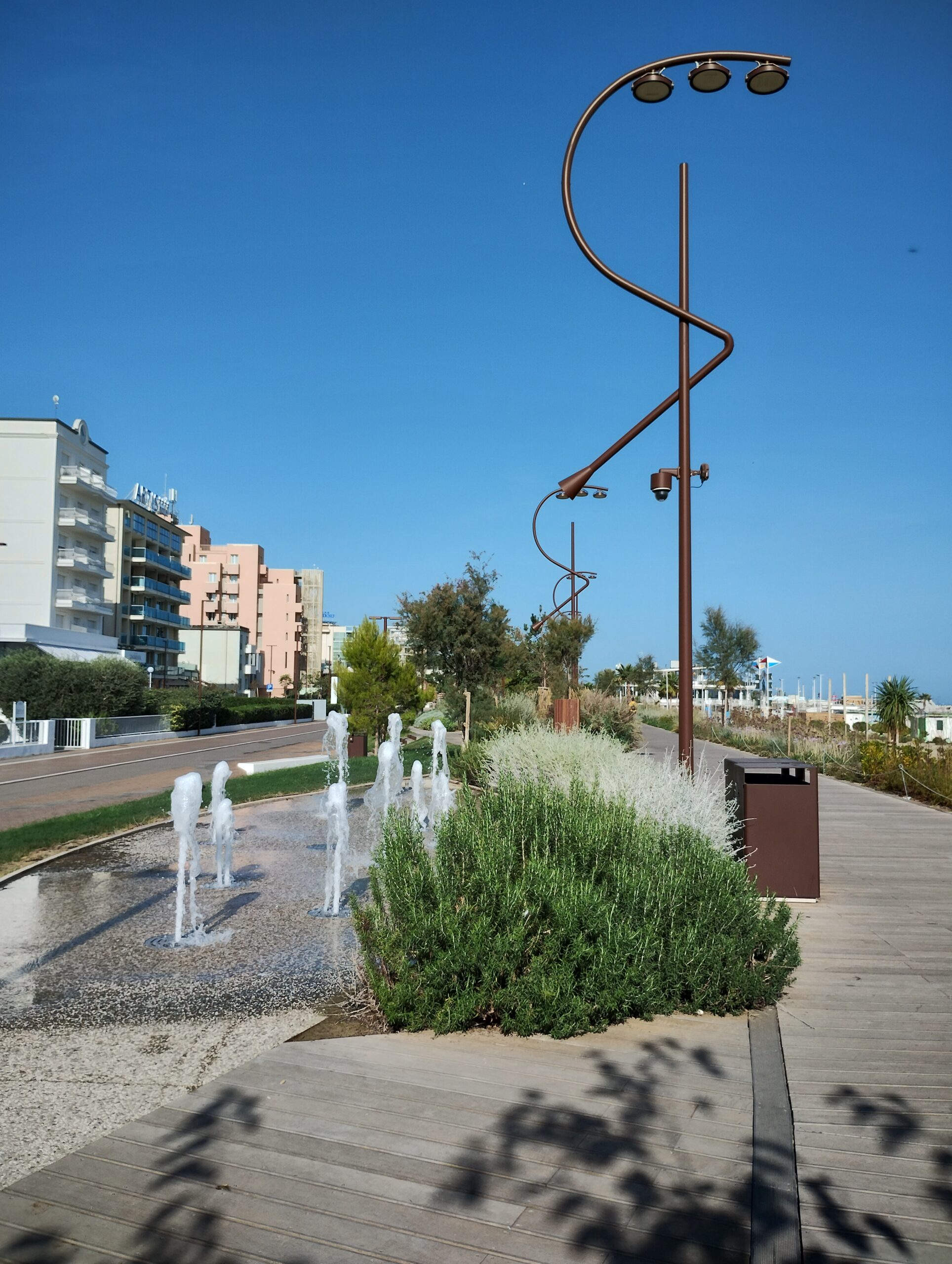
From Santiago de Chile to Rimini
The exciting return to Rimini from Santiago, Chile, where his great-grandfather emigrated in 1938.
read more -
James

From Verona to San Lorenzo in Banale
From Verona in Pennsylvania to San Lorenzo in Banale in Trentino, a town located in the Giudicarie Valleys.
read more -
Shannon
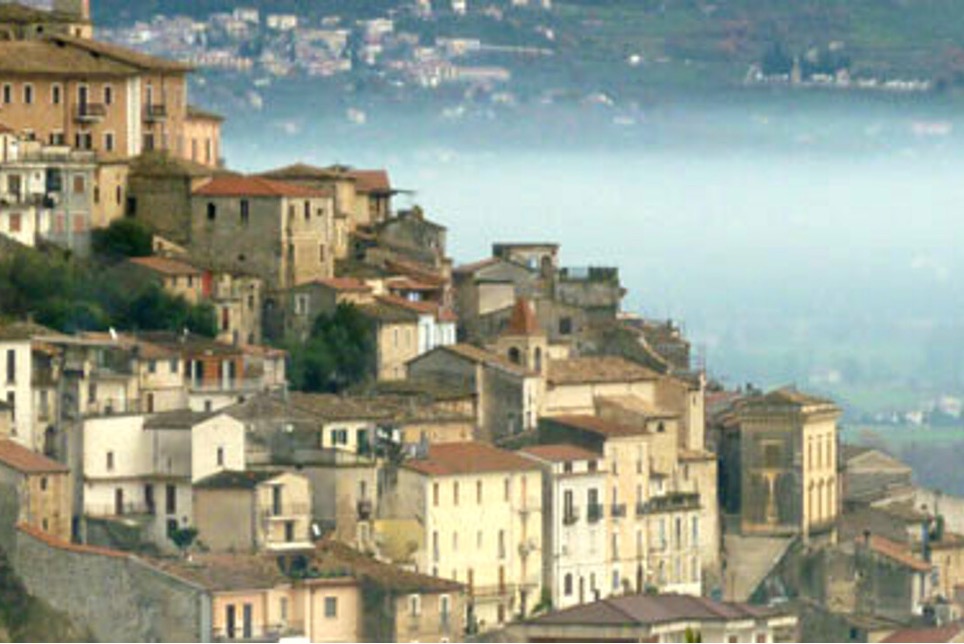
Houston to Alvito Lazio
From America to Lazio to arrive in Alvito from which ancestors emigrated years ago.
read more -
Francisco
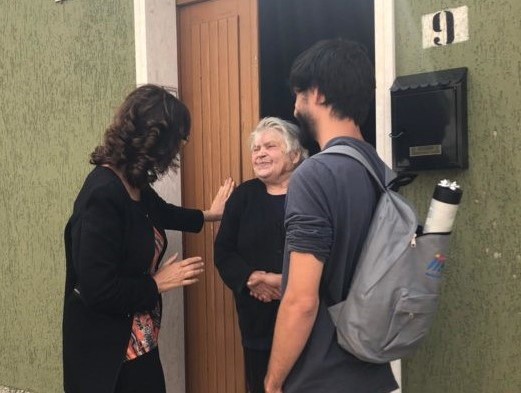
From Buenos Aires to Castelpizzuto
A journey from Argentina to Castelpizzuto to learn about their origins in Molise.
read more -
Matheus
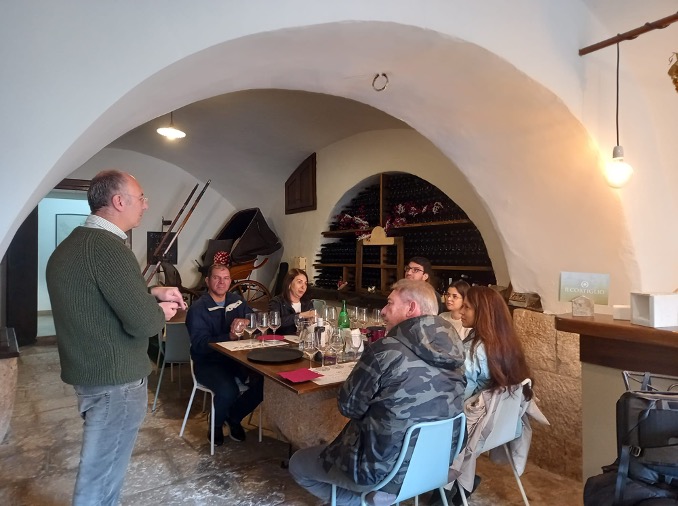
From Belo Horizonte to Fontanarosa
From Belo Horizonte to Fontanarosa, an exciting experience to learn about one’s roots.
read more -
Romina
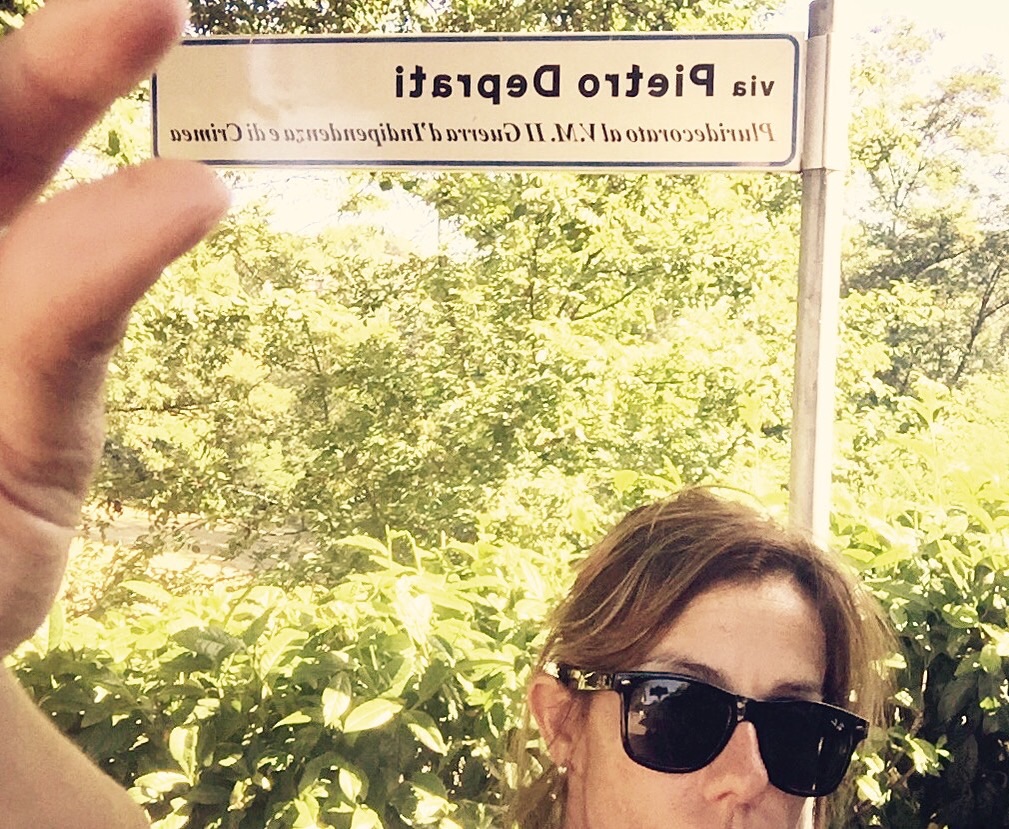
From Argentina to Sassello
From Argentina to Liguria via Genoa to Sassello, a journey in the footsteps of his great-grandfather.
read more
-
Where can I find information about my ancestors?
The indispensable sources are generally of two types: private ones, therefore personal memories, oral stories handed down from generation to generation, family archives including documents, letters and photographs; the public ones, also called “serial”, present in the various state, regional, provincial, municipal and ecclesiastical archives.
-
I live abroad and I know I have Italian origins from my surname, but I don't have any further information at the moment. How can I proceed?
If you would like to find out more about your Italian origins based on your last name, here are some steps you could take:
Gather all available documents: Search for birth, marriage and death certificates for your parents, grandparents and great-grandparents. These documents can contain valuable information about your origins, such as your place of birth and important dates.
Talk to elderly relatives: Elderly family members may have memories or stories passed down orally that could help you in your research. Ask them questions about family history and ancestry.
Family photos: Family photographs may provide visual clues, such as places or events, that may relate to your family’s Italian origins.
Family correspondence: Letters, diaries, and other written documents may contain details about family origins, such as place of birth and important dates.
Once you have collected as much information as possible, you can search for your origins by consulting the “find your origins” page, you will find links to the services provided by the most accredited global organizations that offer family history research tools, or you can directly ask genealogists for a quote.
-
What are the documents that would help me trace my family roots?
To trace your family roots, there are several documents that may be helpful. The availability of these documents may vary depending on the historical period and geographic region.
Birth, marriage and death certificates: These official documents are often kept in civil registry offices or State Archives. They contain important information such as names of parents, spouses, dates and places of birth, marriage and death.
Parish Records: Much genealogical information is kept in church records, such as baptisms, marriages and burials. These records can date back as far as the 16th century.
Censuses: National or local censuses provide information on household composition, occupations, and other details about daily life. Censuses are usually conducted periodically.
Immigration Records: If your ancestors moved from one country to another, immigration records can provide important information, such as arrival date, place of departure, and occupation.
Wills and Probate Deeds: These documents can provide details about how property and assets were distributed among family members after an individual’s death.
Family photographs: Photographs can be invaluable in identifying people and reconstructing family history.
Family Correspondence: Letters, diaries, and other written documents may contain details about daily life, family events, and relationships.
Military Records: If your ancestors served in the military, military records may contain information about their service, rank and position.
Naturalization Records: If your ancestors became citizens of a country other than the country of birth, naturalization records can provide details about this process.
Family Stories: Talk to older members of your family to gather stories, anecdotes, and traditions that may help you in your search.
Research on an ancestor must always start from some known data, possibly at least the name or surname. The more elements of knowledge you have (birth, death, marriage, places, dates, etc.) the more chances you will have of finding what you are looking for.
-
How can I start genealogy research knowing only my family's surname?
To carry out a search in the civil status documentation it is necessary to know, in addition to the year, also the place of origin. In the absence of other clues, it is advisable to try to identify in which municipalities a particular surname is widespread.
Here are some sites that may be useful to you:
– Cognomix
– Mappadeicognomi
– Family Search -
Are there websites that offer resources for genealogical research where it is possible to consult civil status documents online?
Of course, there are several websites that offer resources for genealogy research. Here are some of the best known:
Ancestors: Allows the user to consult free of charge digital reproductions of civil status registers, military service lists, matriculation rolls and other genealogical and personal documents, stored in the individual Italian State Archives.
FamilySearch: A free site operated by The Church of Jesus Christ of Latter-day Saints (Mormons), offering access to a large collection of family history records from around the world.
-
Is there a site where it is possible to consult the lists of migrants who left from the main Italian ports?
CISEI: has several databases containing information on millions of Italian migrants.
By entering the person’s data you will be able to find out the date, place of departure and destination, and get information on travel, sea travel and accompanying family members. In the luckiest cases even read a short story of the migratory experience. -
Can I personally access historical documents or local archives to research my genealogy?
Yes, in the State and Diocesan Archives. Reservations and – in some Diocesan Archives – an access fee are often required. As regards documents stored in parishes and municipalities, those responsible for documents act differently from case to case.
-
How can I establish contact with relatives in my family?
Talk to Close Family Members: Start by talking to the family members closest to you, such as parents, grandparents or uncles. Ask them for information about more distant relatives, including names, locations and any contacts they may have.
Use Social Media: Platforms like Facebook, Instagram and Twitter can be used to search for your relatives’ names and make contact. Many people use social media to stay in touch with distant relatives.
-
How can I find my ancestors' home?
Here are some steps you could take to search for your ancestors’ home:
Documents and records:
– See family documents, such as birth, marriage and death certificates, which may contain clues to residency.
– Explore parish registers, censuses and other local documents that may indicate the address of the house.
– An important resource is also the land registry, whose consultation however requires a certain degree of familiarity.Collect family information:
– Ask elderly relatives or family members if they have information on the location of the ancestral home.
– Look for family photos that may show the home or provide clues to its location.Visit the location:
– If possible, visit the location where your ancestors are thought to have lived. Ask elderly residents if they have any information about your family.Historical photos and maps:
– Examine historical photos and maps of the area to identify any changes in the urban or rural landscape over the years.Request assistance from the municipal offices
– Contact municipal offices to obtain information on the history of the area and to request assistance with research. -
How can I find the tomb where my ancestor is buried?
If you know the place of death of your ancestor, go to the municipal cemetery. Cemeteries often have offices that can help you find the location of a grave. If they are not present in the cemetery, go to the municipality and ask the office in charge of cemetery services.
Cemetery or municipal staff may have records or maps indicating the location of graves. Give them all the information you have about your ancestor. There are also technological tools, such as the Aldilàpp app, in which the paper archives of the cemeteries of the Municipalities that have decided to join this important innovation can be consulted in digital form.
However, given the management policies of cemeteries in Italy, the oldest burials (over 80 years old) have often been abandoned with the remains transferred to common ossuaries. -
Can I obtain Italian citizenship while traveling to my region/city of origin?
The Italea program does not provide support for the practice of obtaining Italian citizenship but allows you to live an immersive travel experience aimed at discovering your roots. If you are interested in obtaining Italian citizenship by descent, at the following link you can find all the info you need